
Whoa, that’s wild. I still remember my first time logging in, palms sweaty. It felt oddly ritualistic, like entering a cockpit before a night flight. At first I thought it would be simple, but there were tiny hurdles that add up if you’re not prepared. My instinct said get your 2FA ready and don’t rush the process.
Really? No joke. Most folks skip the prep and then scramble, which is avoidable. I learned this the hard way when my phone died mid-verification and I had to call support. Initially I thought the recovery flow would be straightforward, but then realized that account recovery can be slow if you haven’t set backup methods. So yeah—set up an email backup and a seed phrase backup, and test them if you can.
Hmm… pay attention. Small details matter, like browser cookies and VPNs. On one hand a VPN can protect privacy, though actually it can trigger extra checks on some exchanges. When you see an unfamiliar device login prompt, stop and think—did you just change networks or did someone else try access? I’m biased, but taking five extra seconds to confirm is worth the peace of mind.
Seriously? Keep notes. Write down your 2FA recovery codes somewhere safe. I once stored them in a cloud note and then realized somethin’ was off when my account flagged a location I didn’t recognize. On the flip side, saving everything in plain text is dumb, so use an encrypted vault or write them offline. Here’s what bugs me about crypto security: people love convenience far more than they love control.
Okay, so check this out—your OKX workflow should include device hygiene, password strength, and 2FA layers. A strong password alone isn’t enough these days. When you tie a hardware key or an authenticator app to your OKX account, it raises the bar substantially because phishing becomes much harder to exploit. If you leave recovery methods untested, you’re effectively leaving a back door unlocked even if your main defenses are solid.
Whoa, quick heads-up. If you log in from a new location, expect additional verification. Sometimes the platform asks for selfie verification or ID photos, which seems intrusive but it’s part of the compliance dance. Initially it felt annoying, though actually I appreciate the trade-off when it prevents unauthorized withdrawals. Keep your ID scans ready if you trade regularly, because delays can cost you market opportunities.
Really, here’s the thing. Browser autofill saves time but also increases risk if your machine is compromised. I used to rely on autofill until my laptop got a nasty keylogger—lesson learned, and yes it sucked. On balance, a password manager with strong encryption is the better choice for frequent traders. Also, watch out for cloned pages; if somethin’ looks off, compare the SSL certificate and domain carefully before you type anything.
Hmm… one more practical tip. For high-frequency or institutional-style traders, segregate funds into hot and cold wallets. You can keep trading balances ready on OKX while long-term holdings sit offline. This strategy reduces exposure even if your trading account gets breached, because withdrawal limits, whitelists, and delay windows offer extra time to react. I’m not 100% perfect at following this every week, but I try.
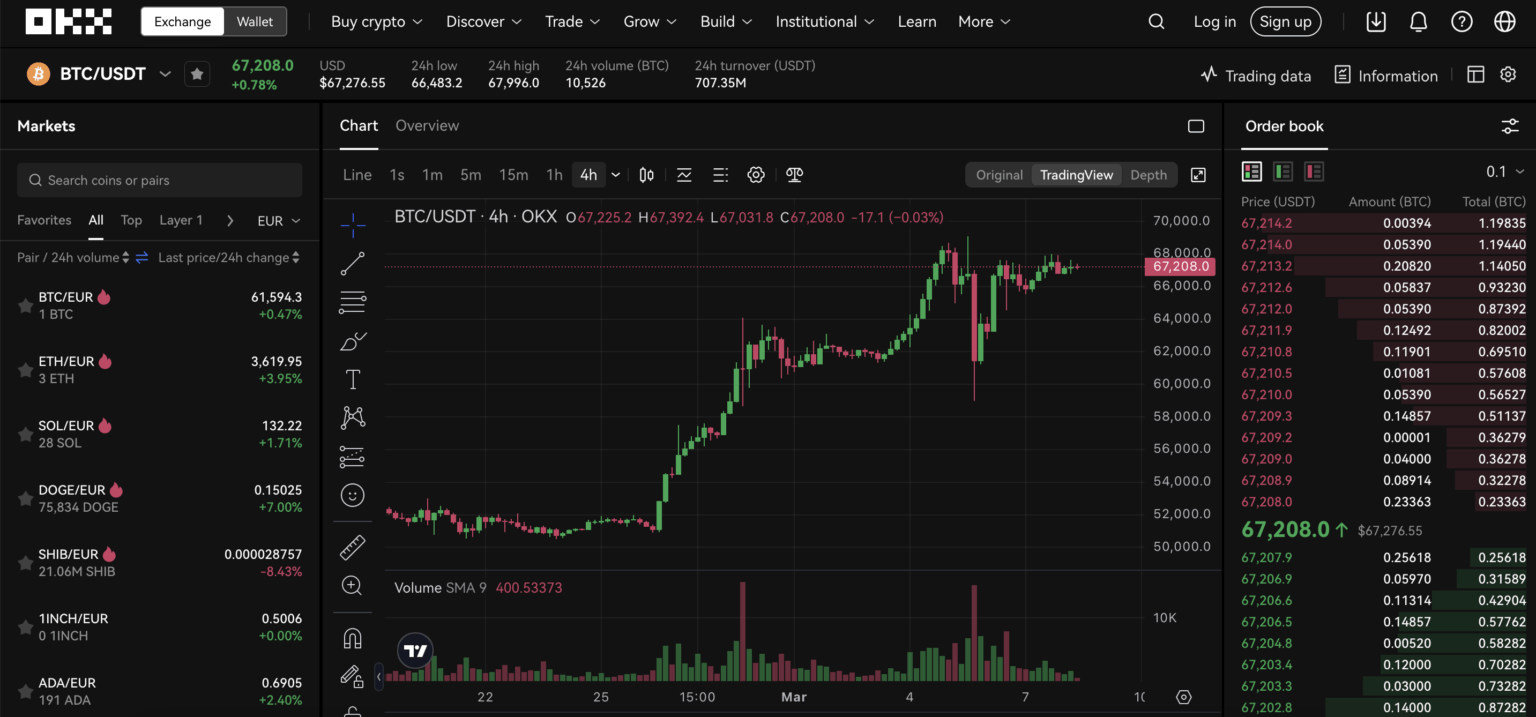
Quick access and the official sign-in link
If you’re ready to log in now, use the official OKX sign-in route and bookmark it for quick access: okx sign in. Don’t click through random emails or social posts, and verify the URL each time you enter credentials.
Here’s a short checklist for a smooth sign-in: strong unique password, authenticator app enabled (not SMS if you can help it), a hardware key for big accounts, and verified recovery contacts. Also monitor your account activity and set withdrawal whitelists when possible to limit damage. Little habits build compounding safety over time.
FAQ
What if I lose access to my 2FA?
First, don’t panic. Check your backup codes or hardware key if you have one. If not, prepare ID verification materials and follow OKX’s recovery flow, which may take time because they verify ownership. Be patient and provide clear documentation to speed things up.
How do I recognize a phishing page?
Look for slight domain misspellings, missing HTTPS, odd popups, or requests to paste your 2FA codes into a webpage. If a page pressures you with timers or threats, close it and navigate to the exchange directly from your bookmark. Trust your gut—if somethin’ feels off, stop.
Can I use a VPN when logging in?
Yes, but be consistent. Frequent IP jumps can trigger security checks. If you use a VPN, pick a stable region and stick to it for routine logins, or expect occasional identity re-verification. Balance privacy with convenience based on your risk tolerance.