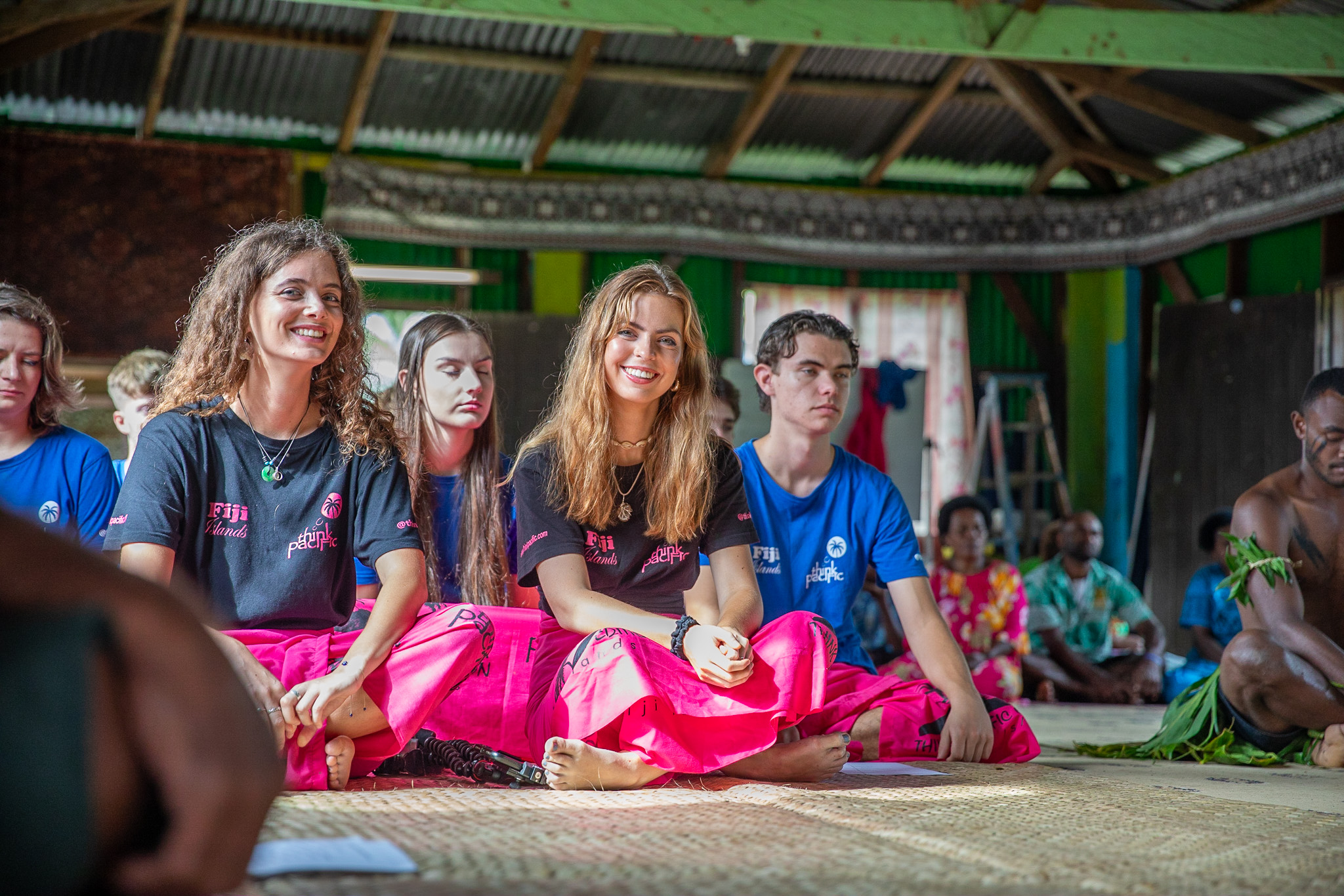
Empowering Communities: The Impact of Pacific NGO Work
The Pacific region is known for its stunning natural beauty and diverse cultures, but it also faces significant challenges ranging from economic instability to climate change. In response to these challenges, numerous pacific ngo work nonprofit work in the pacific organizations have emerged, playing a pivotal role in promoting development, education, and environmental conservation. This article delves into the various functions of NGOs in the Pacific and their impact on local communities, highlighting success stories and ongoing challenges.
The Role of NGOs in Community Development
Community development is at the heart of many NGOs’ missions in the Pacific. These organizations often work at the grassroots level, collaborating with local communities to identify needs and develop tailored programs that foster sustainable growth. By empowering local leaders and promoting participatory approaches, NGOs enhance the capacity of communities to manage their own development.

For instance, in Vanuatu, organizations like the Vanuatu Society for People with Disability have made significant strides in advocating for the rights and inclusion of marginalized groups. Through workshops and outreach programs, they provide resources and training, empowering individuals to contribute positively to their communities.

Education Initiatives
Access to quality education is a fundamental right, yet many Pacific island nations struggle with educational disparities. NGOs play a crucial role in filling these gaps, often implementing innovative programs that cater to marginalized populations.
One notable example is the work of the Akoka Foundation in Papua New Guinea, which focuses on improving literacy rates among young girls. By establishing community-based learning centers and providing mentorship for female students, the foundation has helped hundreds of girls gain access to education and break the cycle of poverty.
Environmental Conservation Efforts
The Pacific region is particularly vulnerable to the impacts of climate change, making environmental conservation a critical area of focus for NGOs. These organizations work tirelessly to protect biodiversity, promote sustainable agriculture, and advocate for policies that prioritize environmental sustainability.
For example, in Fiji, the Coral Triangle Initiative aims to conserve marine resources through community engagement and sustainable fishing practices. Local NGOs collaborate with fishermen to implement sustainable methods that preserve fish stocks and protect fragile ecosystems, ensuring that future generations can benefit from these resources.
Health and Wellbeing Programs
Health is another vital component of NGO work in the Pacific. Many organizations focus on improving health outcomes by providing access to healthcare services, nutrition programs, and health education.
The Pacific Islands’ health landscape faces challenges such as high rates of non-communicable diseases and limited access to medical facilities. NGOs like the Vanuatu Health Research and Ethics Committee are addressing these concerns by promoting public health initiatives that empower communities to take charge of their health and wellbeing.
Challenges Faced by NGOs
While NGOs make significant contributions to the development of the Pacific region, they encounter numerous challenges that can hinder their effectiveness. Limited funding remains one of the most pressing issues, as many NGOs rely on grants and donations to sustain their programs.
Moreover, the geographical isolation of many Pacific islands complicates logistics, making it difficult to reach remote communities in need. Additionally, the political landscape in some countries can create tensions that affect NGO operations, as seen in instances where governments restrict foreign funding or impose regulatory barriers.
The Future of NGO Work in the Pacific
Despite the challenges, the future of NGO work in the Pacific region holds promise. Collaboration among NGOs, local communities, and governments is crucial for fostering a more sustainable and equitable future. By sharing resources, knowledge, and best practices, these stakeholders can amplify their impact and create lasting change.
As global awareness around climate change and social justice grows, the potential for NGOs in the Pacific to secure funding and support increases. Engaging with local and international partners, leveraging technology, and advocating for policy changes will be essential strategies for enhancing their effectiveness.
Conclusion
In conclusion, the work of NGOs in the Pacific is vital for addressing the region’s unique challenges and promoting sustainable development. Through education, community empowerment, environmental conservation, and health initiatives, these organizations play an essential role in shaping a brighter future for Pacific communities. The resilience and creativity of NGOs continue to inspire hope and drive positive change, paving the way for a more sustainable and equitable world.